


Next-Gen Agentic Smart Home Automation
From Reactive Rules to Multi-Agent Sovereignty

Living in an Agentic Smart Home Automation setup in 2026 feels less like managing gadgets and more like having a silent, intelligent partner. These autonomous ecosystems observe what is happening, think through your goals, and handle tasks from start to finish using Matter 1.5 APIs. Unlike the old days of clunky automation, these systems actually guess what you need, like adjusting the heat or locking up for the night, without bothering you. They process everything locally to keep your data private and your response times instant. We have moved away from brittle IFTTT triggers into a world of goal-oriented negotiation. With over $206.5B flowing into AI agents, we are finally building sovereign spaces that act as a single, coherent entity.
By letting specialized agents handle energy, security, and wellness, platforms like Yubii or ELAN OS take the busywork off your plate. They no longer rely on simple rules but instead use smart multi-agent systems to get things done. As we leave behind the limits of single-model AI, our focus is now on A2A protocols that keep decisions local and reliable.
The Connectivity Fabric of Matter 1.5 and Thread 1.4

We finally solved the decade-long headache of devices not talking to each other, thanks to the Connectivity Standards Alliance Matter 1.5 specifications. By relying on local control, we no longer need to worry about the lag or privacy issues that come with cloud-based hubs. The rollout of Thread 1.4 network harmonization standards creates a unified mesh where every device acts as a trusted peer. It is a relief to stop worrying about which hub works with which protocol.
For larger homes with over 100 devices, the Network Infrastructure Manager is a game changer. It sorts out the connections behind the scenes to keep data flowing locally rather than jumping out to an external server. Plus, TLS-based wireless setup means professionals can install everything cleanly, even in tricky floor plans. This resilient, interoperable mesh fabric makes the technical magic invisible, so your home just works exactly how you intended, no matter how many gadgets you add to the network.
The Micro-Power Plant: Predictive Energy Orchestration
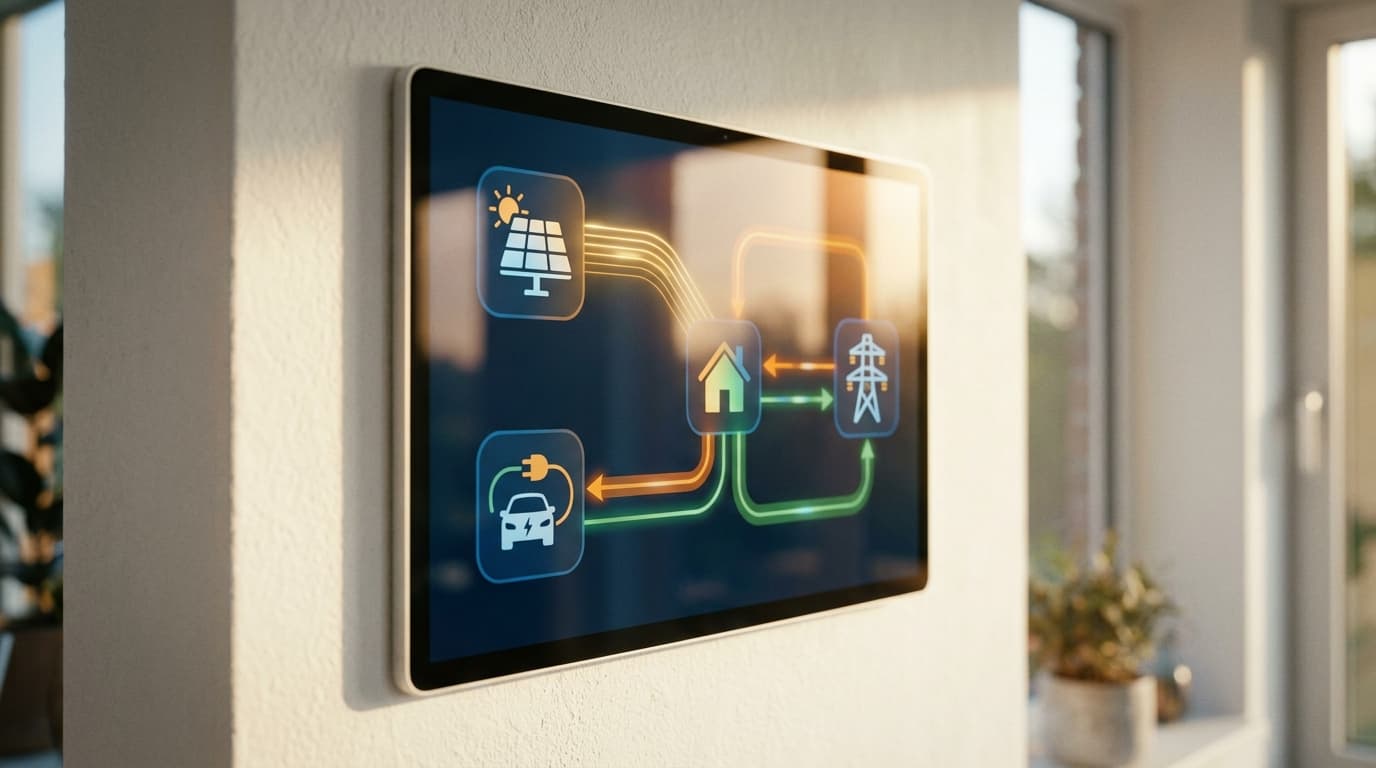
Modern homes have become miniature power plants by tapping into Matter 1.5 Energy Management Clusters. By keeping an eye on grid pricing and how much energy is being used, your home can shift its own power load to save you money and reduce your carbon footprint. This form of predictive energy management is a huge step up from simple timers, as it allows your house to negotiate with the grid like a Virtual Power Plant. It even accounts for solar power generation and how much charge is in your EV battery, letting you discharge power back to the home during peak hours.
The agentic layer acts as the brain, making sure high-drain appliances and your HVAC system play nice so you never exceed your capacity. It creates a smooth, symbiotic rhythm between you and the energy grid, turning your property into an asset that works for you. By handling the give-and-take between supply and storage, your home stays sovereign and helps stabilize the energy grid at the same time.
Zero-Trust Security and Local Edge Intelligence

Security today demands a Zero-Trust approach where every single device verifies its identity right there in the room. Using Matter 1.5, we ditch the risks of cloud-only processing in favor of local AI edge computing. By checking the Vendor ID of every component, we stop unauthorized access and ensure your private data, like biometrics or motion logs, never leaves your walls. Your data stays yours.
Beyond basic encryption, modern systems watch how agents interact, spotting odd behavior that suggests a device might be compromised. This cuts down on annoying false alarms by nearly 90 percent because the devices are now smart enough to understand context. By swapping cloud-dependent security for a hardened, local invisible shield, your home reaches a level of privacy that satisfies even the most demanding architects and homeowners who want enterprise-grade protection without sacrificing local control.
The 2026 Market Horizon and Future Readiness

Looking toward 2026, the smart living market is set to hit $230.76B, growing at a steady 11.8% clip. We are seeing a major shift in PropTech, moving away from old subscription models toward autonomous services that just work. Architects are no longer just designing static buildings; they are crafting adaptive environments that actually learn from the people living inside them. The industry is finally focusing on AI-native workflows that prioritize how a building performs over its entire lifespan, rather than just fixing connection issues as they pop up.
The real win here is getting consistent, autonomous performance that holds up as you add more tech. If you are planning high-value projects, prioritize hardware-agnostic frameworks that are built to last. It is time to create the next generation of living spaces with VAiiBE’s enterprise-grade agentic orchestration frameworks, where your vision for a beautiful home meets the power of autonomous execution.
Sources
Related services

Business Process Automation
I design, build and host automated workflows that run your repetitive operations 24/7, connect the apps you already pay for, and add smart decision steps where they pay off

AI Agents and Smart Chatbots
I build custom AI agents and smart chatbots that know your business: they answer your clients, work with your documents and connect to the tools you already use. Priced for small businesses, not enterprises

E-Commerce and Marketplaces
I build custom online stores and multi vendor marketplaces on Next.js and Firebase: fast on mobile, local and international payments, and no monthly platform fee