

The Rise of Agentic AI: When Language Models Take Action
Introduction: Beyond Passive Prediction

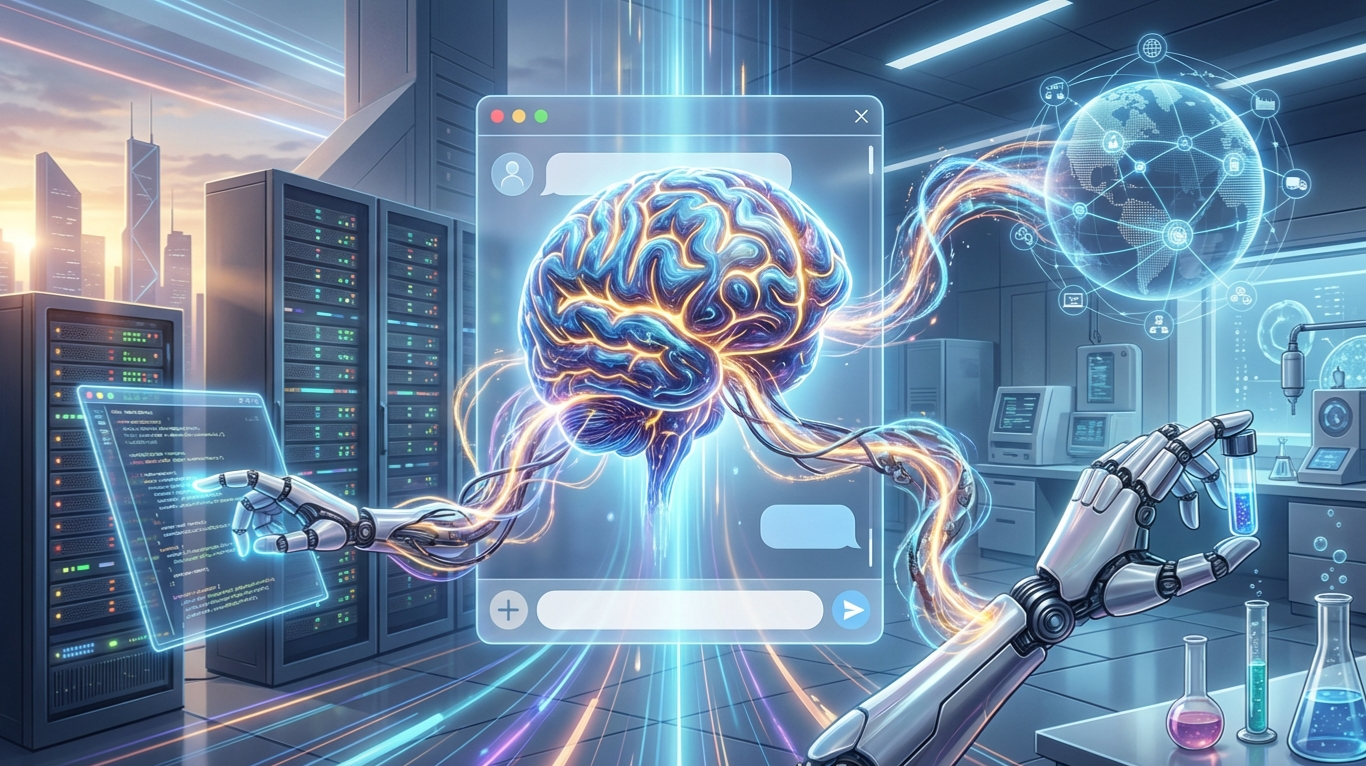
Remember when large language models (LLMs) wowed us simply by generating text, translating languages, and answering questions? It felt like magic! But now, imagine these models doing so much more than just predicting the next word. What if they could actually take action in the real world? That's the exciting possibility of Agentic AI. It's a real game-changer, transforming LLMs from helpful assistants into autonomous agents capable of achieving complex goals.
We're not just talking about simple question-answering anymore. We're stepping into a new era where AI can independently plan, execute, and even learn. This post is all about exploring the potential and the challenges of this brand-new world.
Defining Agentic AI: Autonomy and Goal-Oriented Behavior
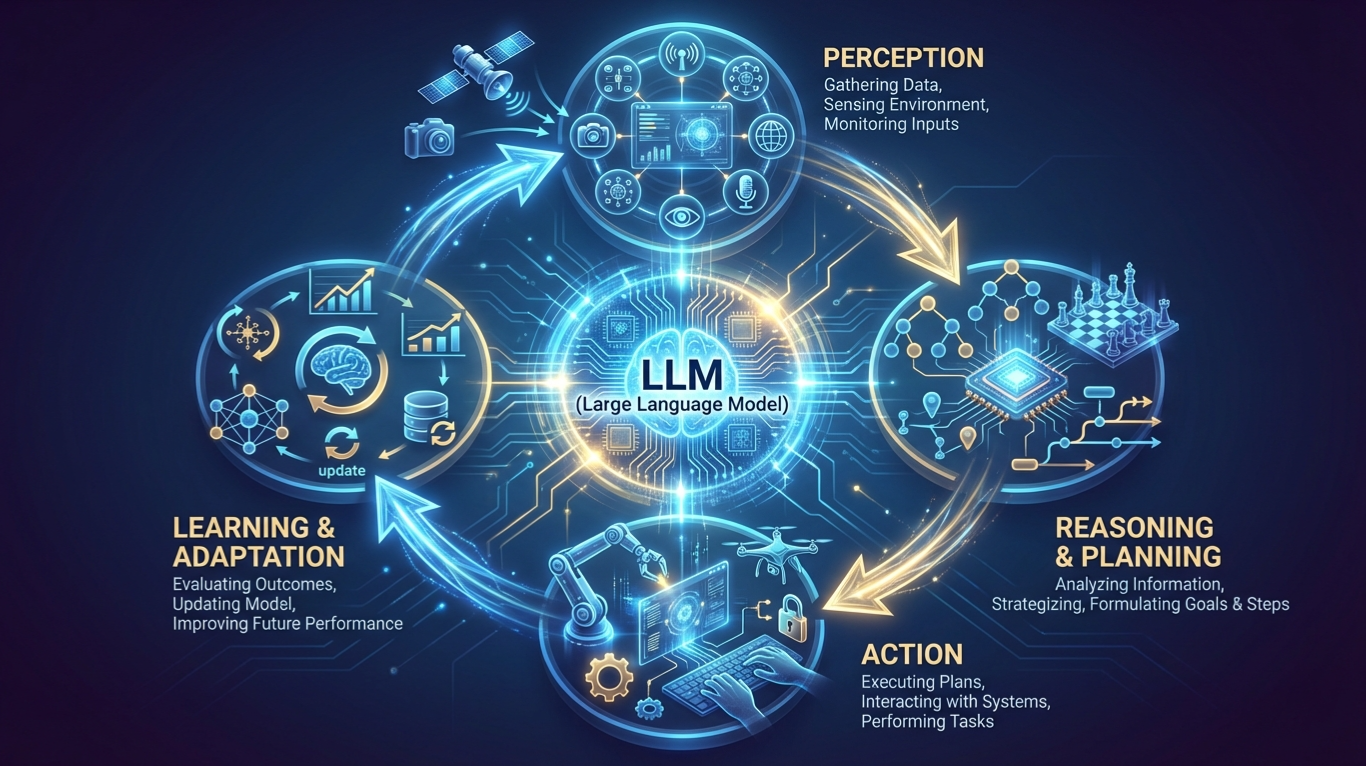
So, what exactly is Agentic AI? Simply put, it's about combining the smarts of LLMs with the ability to actually interact with the world around them. Unlike regular LLMs that just generate text, Agentic AI can use tools, APIs, and other resources to achieve specific goals. Think of it like this; it involves a few key steps:
Planning: Breaking down those big, scary tasks into smaller, easier steps.
Execution: Getting its hands dirty by interacting with the environment using tools and APIs.
Observation: Watching what happens and gathering feedback from its actions.
Learning: Getting smarter by adapting strategies based on what it's learned.
This cycle : plan, execute, observe, and learn allows Agentic AI to handle all sorts of unpredictable situations. That's what makes it so much more powerful than its passive predecessors.
How Agentic AI Works: Core Components and Architecture
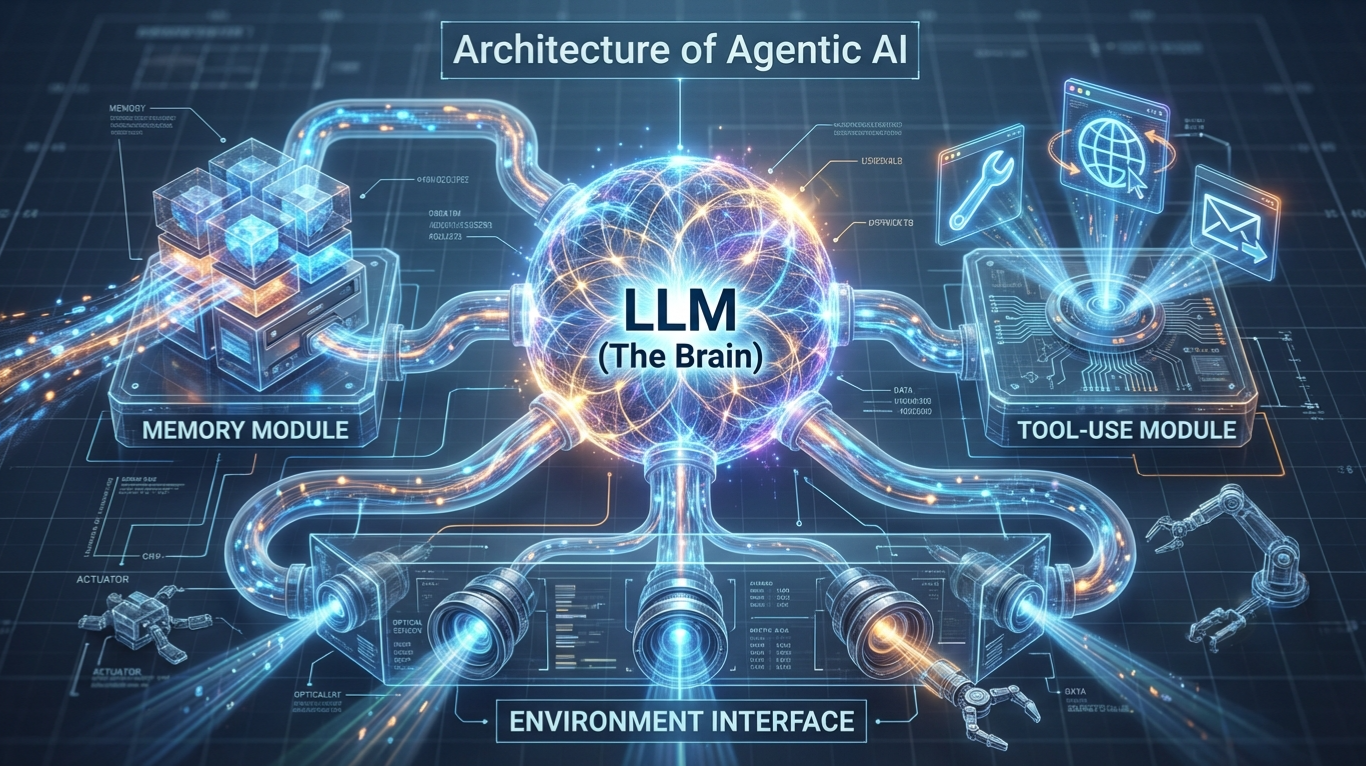
Let's peek under the hood of Agentic AI. The architecture usually involves a few key pieces working together. First, you've got the LLM, which is like the 'brain' of the operation. It handles all the reasoning, planning, and decision-making. Then, there's a tool-use module that lets the agent interact with external tools and APIs. This could be anything from searching the web to sending emails or even controlling robots!
A memory module helps the agent remember past experiences, so it can learn and get better over time. And finally, an environment interface lets the agent see what's going on around it and take actions. When you put all these pieces together, you get an agent that can perform complex tasks all on its own.
Real-World Applications: From Coding to Customer Service
The possibilities for Agentic AI are truly mind-blowing. Imagine agents that can autonomously write and debug code, making software development way faster. Or customer service agents that can handle complex inquiries and solve problems without needing a human. And in the world of research, they could automate experiments and analyze huge datasets, leading to breakthroughs we never thought possible.
But that's not all! Here are some other exciting possibilities:
- Personalized education: Creating learning experiences that are tailored to each student.
- Supply chain management: Making logistics smoother and cutting costs.
- Financial analysis: Spotting investment opportunities and managing risk.
As this technology evolves, expect to see Agentic AI woven into nearly every aspect of our lives.
Challenges and Future Directions: Navigating the Ethical Landscape
Of course, with such powerful potential comes great responsibility. There are some serious challenges we need to tackle with Agentic AI. One big one is safety and control. How do we make sure these autonomous agents act in a way that aligns with our values and goals? Another is bias and fairness. What happens if the data used to train these agents contains biases? We risk perpetuating and amplifying those biases in their actions, which isn't good.
Ethical considerations are absolutely crucial as we move forward. We need research to develop ways to ensure transparency, accountability, and trustworthiness in Agentic AI systems. The future of Agentic AI hinges on our ability to navigate these challenges responsibly and create systems that truly benefit everyone.