The Algorithmic Studio: How AI is Rewiring the Music Industry
The State of AI Music in 2026: Beyond the Hype

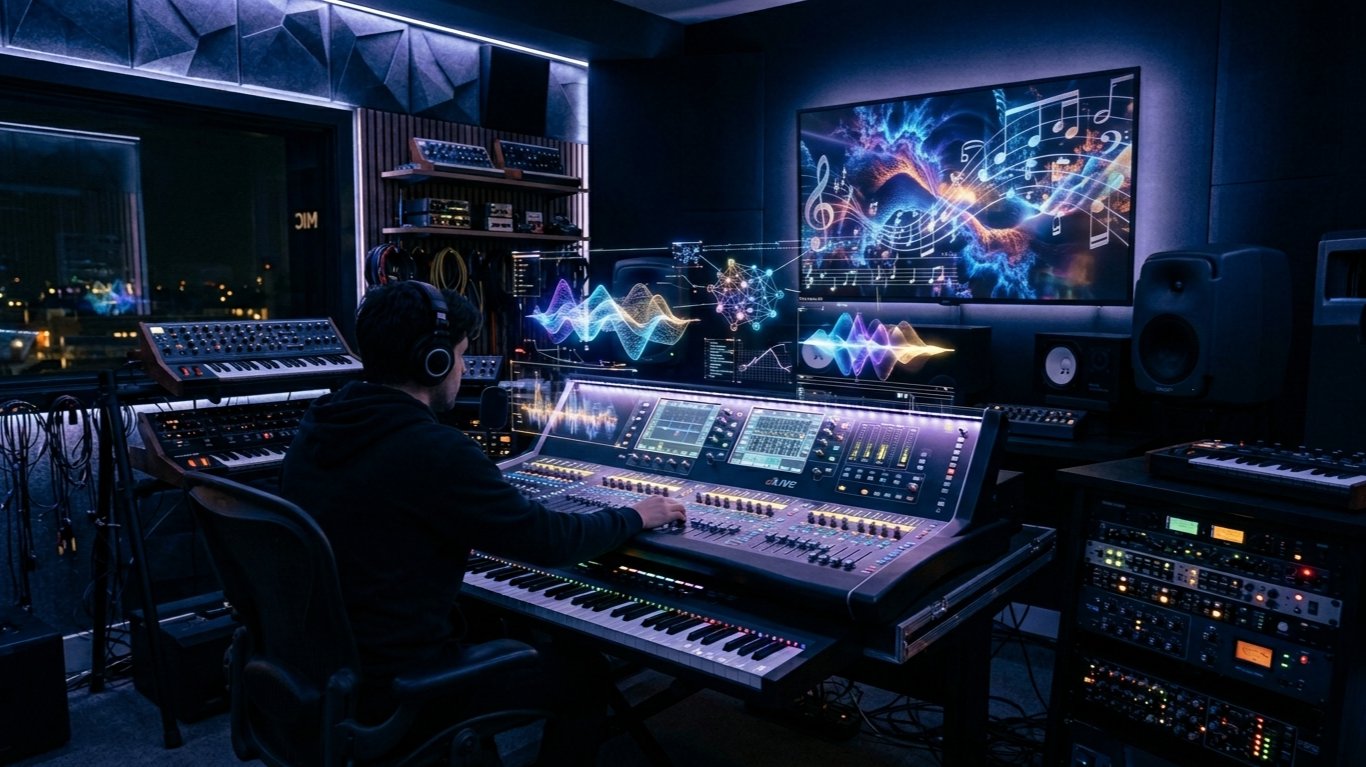
It's 2026, and wow, has the music industry changed! We've truly stepped into a new era where AI isn't here to replace the artist; it's simply removing the roadblocks that used to frustrate us in the creative process. Think about it: your studio isn't just instruments and mics anymore; it's a bustling hub where artificial intelligence is your incredibly smart, tireless co-creator. We've zoomed past just making simple melodies and are now deep into full-scale audio rendering, crafting intricate, multi-layered masterpieces with surprising ease. Whether you're a big label or a solo indie artist, these smart AI tools are your secret weapon against the dreaded writer's block, helping you quickly sketch out complex musical ideas and build custom soundtracks faster than ever. This shift means more precious time for pure artistic flow, less wrestling with tech headaches, and an explosion of amazing, diverse music reaching eager ears at lightning speed. The algorithmic studio isn't just coming; it's here, and it's making human creativity soar.
Suno: The Generative DAW Rewriting Production Rules

When we talk about reshaping music production, Suno has definitely emerged as a game-changer. It’s absolutely brilliant at blending advanced AI generation with the traditional music workflows we’re used to, effectively becoming a truly "Generative DAW." Suno does so much more than just simple text prompts; it offers this incredibly nuanced way to sculpt sonic worlds. Imagine for a moment you're a producer needing a dark, cinematic trap beat – you know, that heavy, drill-inspired vibe you might hear from artists like Booba or Gazo. With Suno, a precise description can instantly give you a studio-quality foundation, rich with texture and depth. Plus, exciting 2026 features like stem extraction mean you can easily pull apart elements, separating vocals from the beat. Suno’s smart integration of sequencer tools, like the innovative MILO-1080, puts the power in your hands to tweak, arrange, and fine-tune those generated samples, moving past static outputs to fully customizable tracks. This level of granular control is genuinely transforming how we make music.
Gemini & Lyria 3: Scoring with Sight and Sound

Now, let's talk about Google's Gemini, powered by its cutting-edge Lyria 3 model, which brings a mind-blowing multimodal approach to music creation. This isn't just your run-of-the-mill text-to-music; Gemini can actually take image and video inputs and magically score a scene contextually, crafting the perfect sonic vibe based on what it sees. Lyria 3 is phenomenal at churning out high-fidelity 30-second tracks, giving you incredibly detailed control over things like tempo, genre, and emotional mood. Its capabilities even stretch to professional-grade arrangements and automated lyric writing, complete with shockingly realistic vocal performances in multiple languages.
"Gemini’s Lyria 3 ensures not just creativity, but also accountability."
And here's the crucial part: recognizing the important ethical discussions around AI-generated content, every track from Gemini comes with SynthID watermarking. This clever, invisible audio watermark makes sure that AI-generated content is always identifiable, finding that sweet spot between groundbreaking innovation and real industry accountability. It’s truly a powerful tool built for the responsible creator in all of us.
Under the Hood: The Neural Networks Orchestrating Sound

Ever wondered what’s really going on behind the scenes, pulling the strings of these incredible AI music generators? Well, the true magic lies in their super-smart GenAI architecture. At their heart are advanced neural networks, especially those amazing transformer-based models, which have been painstakingly trained on absolutely colossal amounts of existing music. These models meticulously pick apart the very DNA of sound: the structure of a song, the intricate rhythms, complex harmonies, and even the emotional punch of different compositions. Instead of just spitting out random noise, they learn to predict the next most likely sonic element in a sequence, allowing them to create structurally sound and genuinely pleasing musical pieces. This predictive genius, coupled with deep learning, empowers AI to grasp the subtle nuances of countless genres and craft original music that just feels right, harmonically and rhythmically. It’s this incredible blend of deep statistical analysis and pure creative synthesis, all orchestrated by algorithms, that truly blows us away.
The Hybrid Studio: AI as Collaborator, Not Competitor
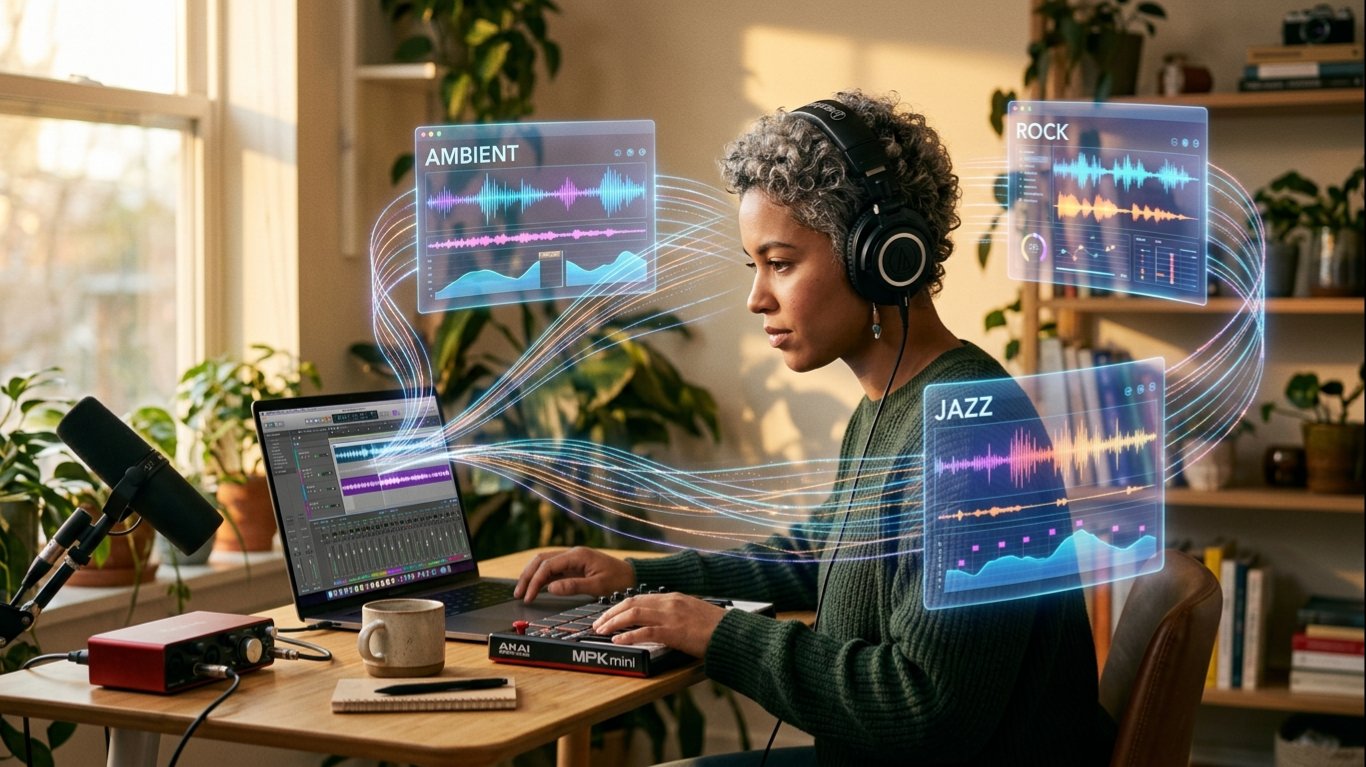
If there’s one thing crystal clear about the music industry’s path, it’s that the future is absolutely a hybrid model. AI tools like Suno and Gemini aren’t here to elbow human artists out of the way; they’re here to be your tireless, unbiased creative partners. Think of them as an extension of your own creative mind, opening up unparalleled avenues for experimentation and pure efficiency. Human musicians and developers can now effortlessly try out multiple genres, experiment with countless emotional shifts, and nail down tracks at speeds we couldn't even dream of just a few short years ago. This synergy lets artists truly lean into their unique vision and pour their soul into the music, while AI gracefully handles the heavy lifting of generation and iteration. The algorithmic studio cultivates an environment where innovation thrives, constantly pushing the boundaries of what’s possible in sound and empowering a whole new generation of musical trailblazers. That irreplaceable human touch, supercharged by AI, remains absolutely paramount.
Related services

Custom AI Agents and Smart Chatbots
I build custom AI agents and smart chatbots that know your business: they answer your clients, work with your documents and connect to the tools you already use. Priced for small businesses, not enterprises

AI Coaching and Founder Mentoring
I train founders and operators to build with AI tools properly: environment setup, agent workflows, code review on your real project, and the judgment to know what is safe to ship